the evidence behind neogen
Clinical evidence
NeoGen’s clinical benefits are supported by independent evaluation, published clinical studies and histological evidence.
Explore the evidence across five key skin outcomes — from firmness and wrinkles to tone, texture and radiance.
Five skin outcomes. One regenerative technology.
NeoGen works across the epidermis and dermis, creating measurable improvements in multiple aspects of skin quality. Explore the clinical evidence behind five of the outcomes practitioners and their patients are looking for.
Lines and wrinkles
NeoGen has been shown to effectively treat fine lines and wrinkles. Evaluations showed that a course of 3 treatments reduced cheek wrinkle depth by an average of 54% at 90 days, with significant reductions in lip line depth and nasolabial fold volume on 3D surface scanning.
This is reinforced by a randomised, evaluator-blinded, split-face trial showing significant improvement in periorbital wrinkles against an untreated control side. Other full-face work reported a 37% reduction in wrinkles at 90 days. Because the effect is collagen-led, the softening continues to develop over the treatment course and beyond. ² ³ ⁴
Firmness and sagging
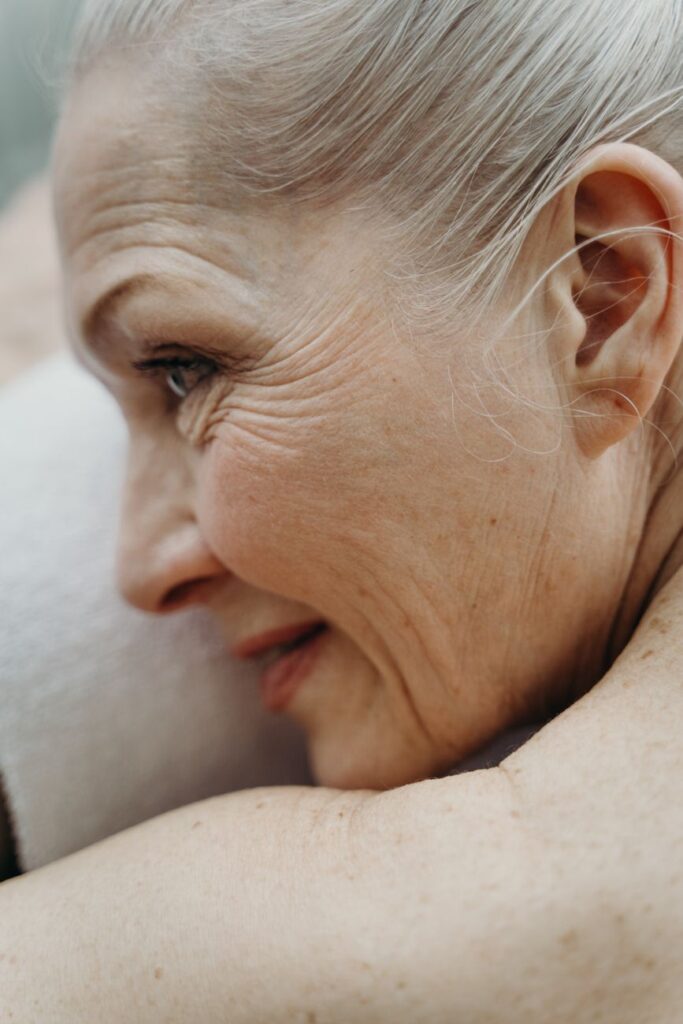
NeoGen works to improve the firmness and sagging of the skin. In an independent evaluation of the current NeoGen device, a course of 3 treatments increased dermal density on ultrasound by an average of 76% at 90 days, with skin firmness rising by 21%, suggestive of dermal remodelling.
This is supported by published histology showing a new band of collagen forming at the dermo-epidermal junction. ² ³
Tone and pigmentation
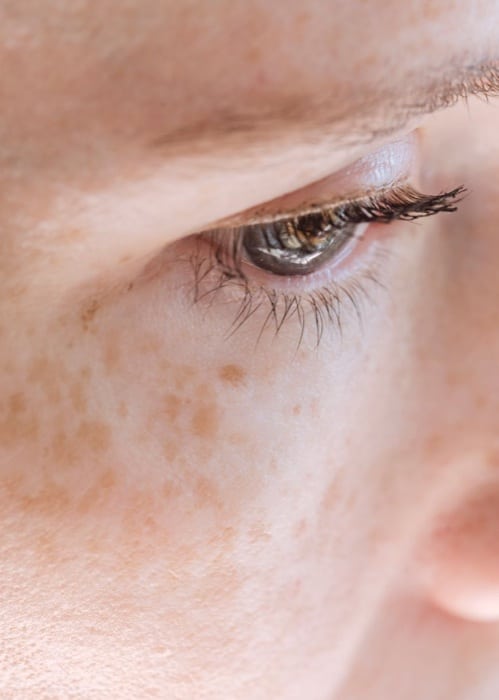
Due to its dual action, NeoGen also works on pigmentation and skin tone. A course of NeoGen treatments significantly reduced brown pigmentation, melanin-related colour and overall redness, for a calmer and more uniform complexion.
As plasma is not chromophore-dependent, its effect on pigment comes from regeneration and epidermal turnover rather than selectively targeting melanin. This is an advantage where pigment-specific devices are less suitable. Published work across the neck, chest and hands reports the same direction of benefit, with significant reductions in hyperpigmentation. The result is tone improvement that reflects healthier, renewed skin. ¹ ² ⁵
Skin texture
Textural improvement, how smooth or uneven it looks and feels to the touch, is one of NeoGen’s most consistently reported outcomes and in an independent evaluation, visible skin texture was significantly reduced at 60 days, indicating measurably smoother skin.
Published studies echo this across multiple sites: significant smoothness improvement at the chest, hands and neck (with mean overall clinical improvements of 57%, 48% and 41% respectively.) NeoGen is a versatile choice for photo-damage beyond the face which is a practical advantage when treating décolletage, hands and body areas that patients increasingly want addressed. ² ⁵ ⁶
Skin volume and radiance
Improved radiance and restored skin fullness are down to the dermal remodelling that NeoGen produces. The same 76% increase in dermal density and the associated firmness gains that improve structure also reduce cheek fold depth and volume, give the appearance of fuller, smoother facial contours.
This is underpinned by the neocollagenesis and reduced elastosis established in published histology, and by progressive, collagen-led rejuvenation reported to continue beyond one year after treatment. The result is luminosity that reflects healthier skin architecture, not just a temporary surface effect. ¹ ²
How NeoGen works.
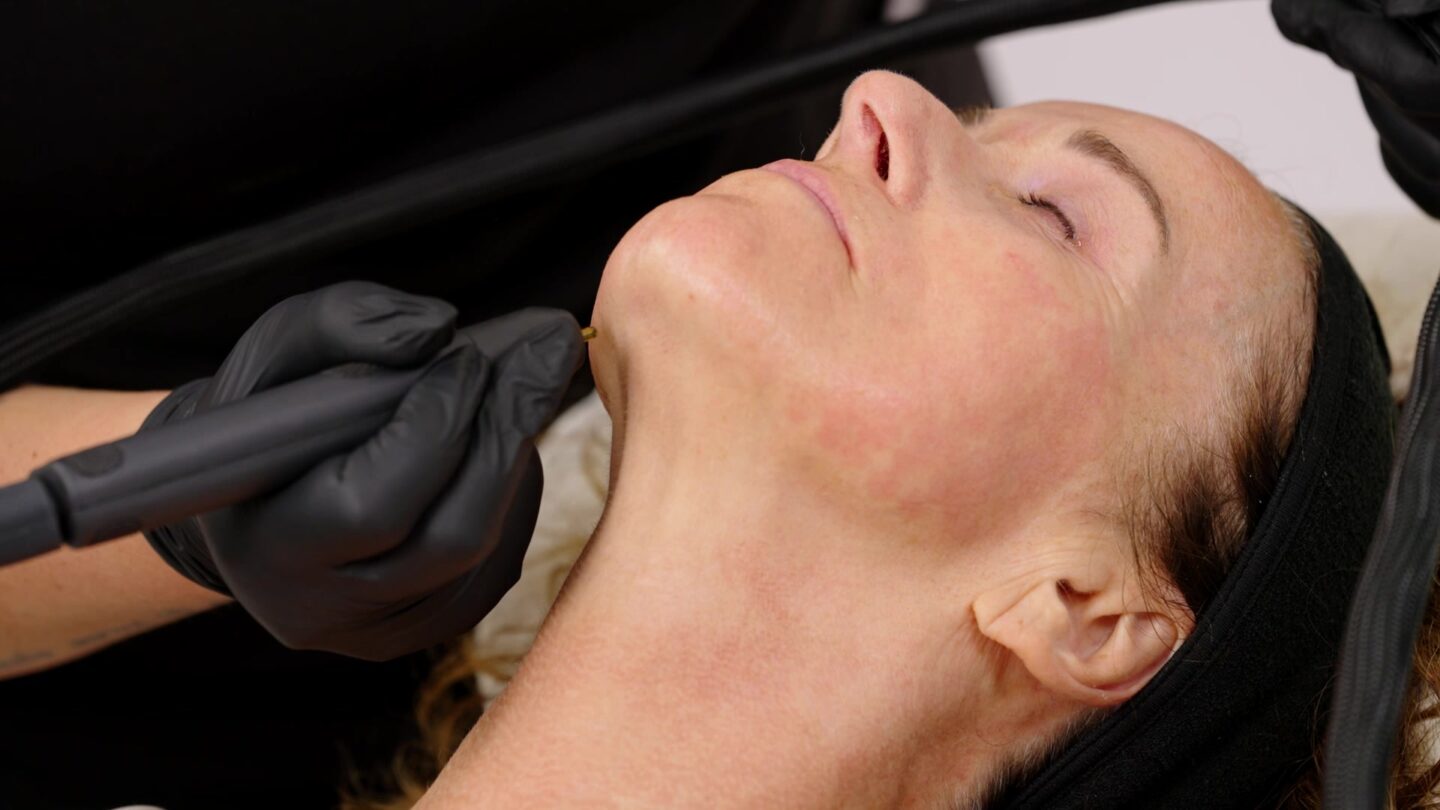
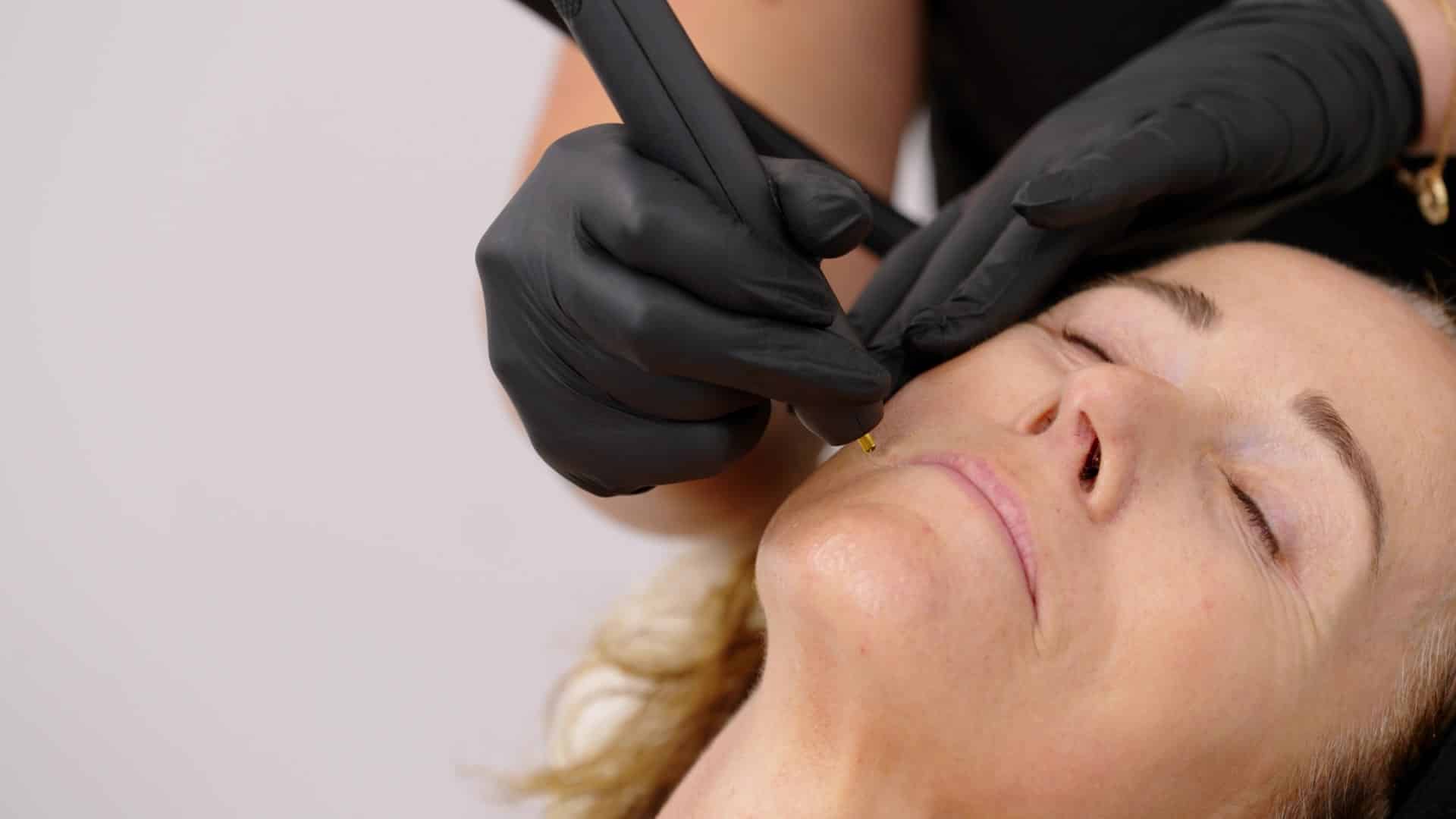
NeoGen delivers thermal energy to the skin using nitrogen plasma. Radio frequency energy is used to convert nitrogen gas into plasma, which transfers its energy to the tissue as controlled heat. As the effect is not chromophore-dependent, it does not target a specific pigment or structure. It acts uniformly across the treatment area, addressing both the epidermal surface and the underlying dermal architecture. ¹ ⁷
This distinguishes it from fractional resurfacing, which treats the skin in a grid of micro-thermal zones and deliberately leaves untreated tissue in between. NeoGen treats the full surface, producing a uniform thermal effect rather than a fractional one. ⁷
Crucially, and unlike fully ablative resurfacing, NeoGen does not vaporise the epidermis. The treated epidermis remains intact and acts as a natural biologic dressing, protecting the regenerating tissue beneath and supporting rapid recovery. ¹ ⁷
Beneath this protective layer, the controlled thermal effect drives a dermal wound healing and remodelling response, stimulating neocollagenesis and improvement in the dermal matrix. This is a progressive biological process: surface improvements in texture and tone are visible in the weeks following treatment, while the deeper architectural remodelling continues to develop over subsequent months, with histological studies reporting continued collagen production and progressive rejuvenation beyond one year. ¹ ³
The result is a treatment that acts at two levels, an immediate epidermal refresh and a slower, structural dermal improvement offering clinicians a resurfacing modality that works with the skin’s own repair biology rather than by ablation alone.
Notes
- Foster, K.W., Moy, R.L. and Fincher, E.F. (2008) ‘Advances in plasma skin regeneration’, Journal of Cosmetic Dermatology, 7(3), pp. 169–179.
- CUTEST Systems Ltd (2026) Clinical evaluation of the NeoGen Plasma system for skin appearance benefits, Accession No. AN3816. Cardiff: CUTEST Systems Ltd. Single-arm evaluation, n=10, three treatments over 90 days.
- Bogle, M.A., Arndt, K.A. and Dover, J.S. (2007) ‘Evaluation of plasma skin regeneration technology in low-energy full-facial rejuvenation’, Archives of Dermatology, 143(2), pp. 168–174.
- Theppornpitak, N., Udompataikul, M., Chalermchai, T., Ophaswongse, S. and Limtanyakul, P. (2019) ‘Nitrogen plasma skin regeneration for the treatment of mild-to-moderate periorbital wrinkles: a prospective, randomized, controlled evaluator-blinded trial’, Journal of Cosmetic Dermatology, 18(1), pp. 163–168.
- Alster, T.S. and Konda, S. (2007) ‘Plasma skin resurfacing for regeneration of neck, chest, and hands: investigation of a novel device’, Dermatologic Surgery, 33(11), pp. 1315–1321.
- Kilmer, S., Semchyshyn, N., Shah, G. and Fitzpatrick, R. (2007) ‘A pilot study on the use of a plasma skin regeneration device (Portrait PSR3) in full facial rejuvenation procedures’, Lasers in Medical Science, 22(2), pp. 101–109.
- Fitzpatrick, R., Bernstein, E., Iyer, S., Brown, D., Andrews, P. and Penny, K. (2008) ‘A histopathologic evaluation of the Plasma Skin Regeneration System (PSR) versus a standard carbon dioxide resurfacing laser in an animal model’, Lasers in Surgery and Medicine, 40(2), pp. 93–99